My number one tip for becoming a writer
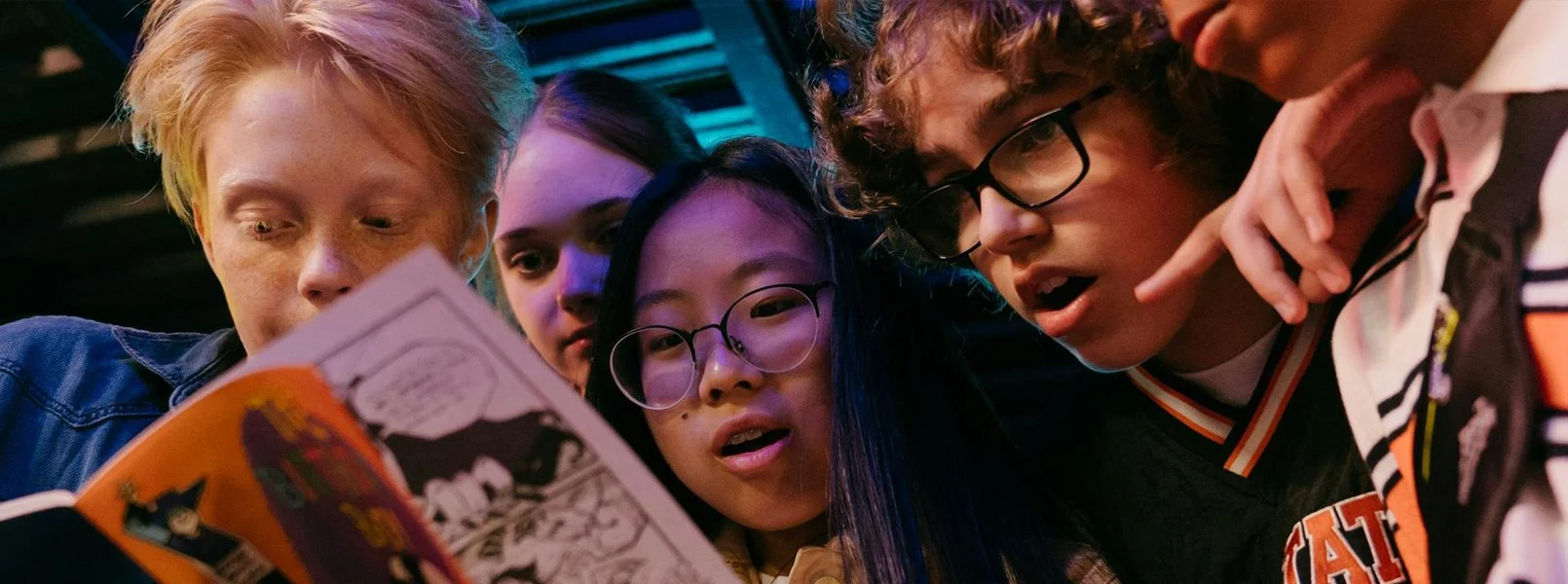
And you can start soon after you’re born!
Here in the UK, we’ve just embarked on the 2026 Year of Reading. This is a government initiative to encourage more people to read, and discover for themselves the joy it can bring. I was delighted when my editor asked if I would include a page about this at the back of my new book. Of course! Like most writers I was a reader first and it’s continued to be a lifelong pleasure. I honestly don’t think you can write fiction if you don’t read it. Other people’s books help us create stories; they enlarge our vocabulary, show us how to build sentences, help us craft characters and inform us subliminally about structure. Far more enjoyable than wading through creative writing theory manuals. I’m never quite sure how I write my novels (and each time the process is different) but I know my wide reading habits have shaped my practice, and I’m so grateful for those brilliant writers who taught me how.
My new novel, ‘The Child at the Window’ is about storytelling in World War Two. It features a romantic fiction writer who helped produce propaganda, a journalist who was determined to seek out truth no matter what the cost to herself or her family, and a Jewish editor who has to flee for his life. I was fascinated to learn how we fought the war of words in the 1940’s.
It was such a treat to write about writers. And I have my parents to thank for reading to me when I was very young and instilling that early love of stories. Now I have children and grandchildren I’m trying to pay that forward. Sharing stories from a young age is vital. Here is an extract from the Author’s Note to my new novel:
Before we could write, we told stories. They help us make sense of the world, and each other; their thread runs from one generation to the next. Of course, as a writer, I’m invested in narrative, but I’m also involved as a mother and grandmother. Reading to my children, and now my grandchildren, is one of my greatest pleasures. I sincerely hope the joy of reading will be available to the families of the future. Technology may evolve, but no machine can replace that most human of arts – the ability to weave fiction that entertains, moves and enthrals.
More than ever, human creativity is under threat. If we want to be good writers, we have to be good readers first. Otherwise the machines will take over!